
ARTICLE 01
When Professional Code Becomes Unnecessary Complexity
My experience with overengineering
October 20, 2026 / 4 min read
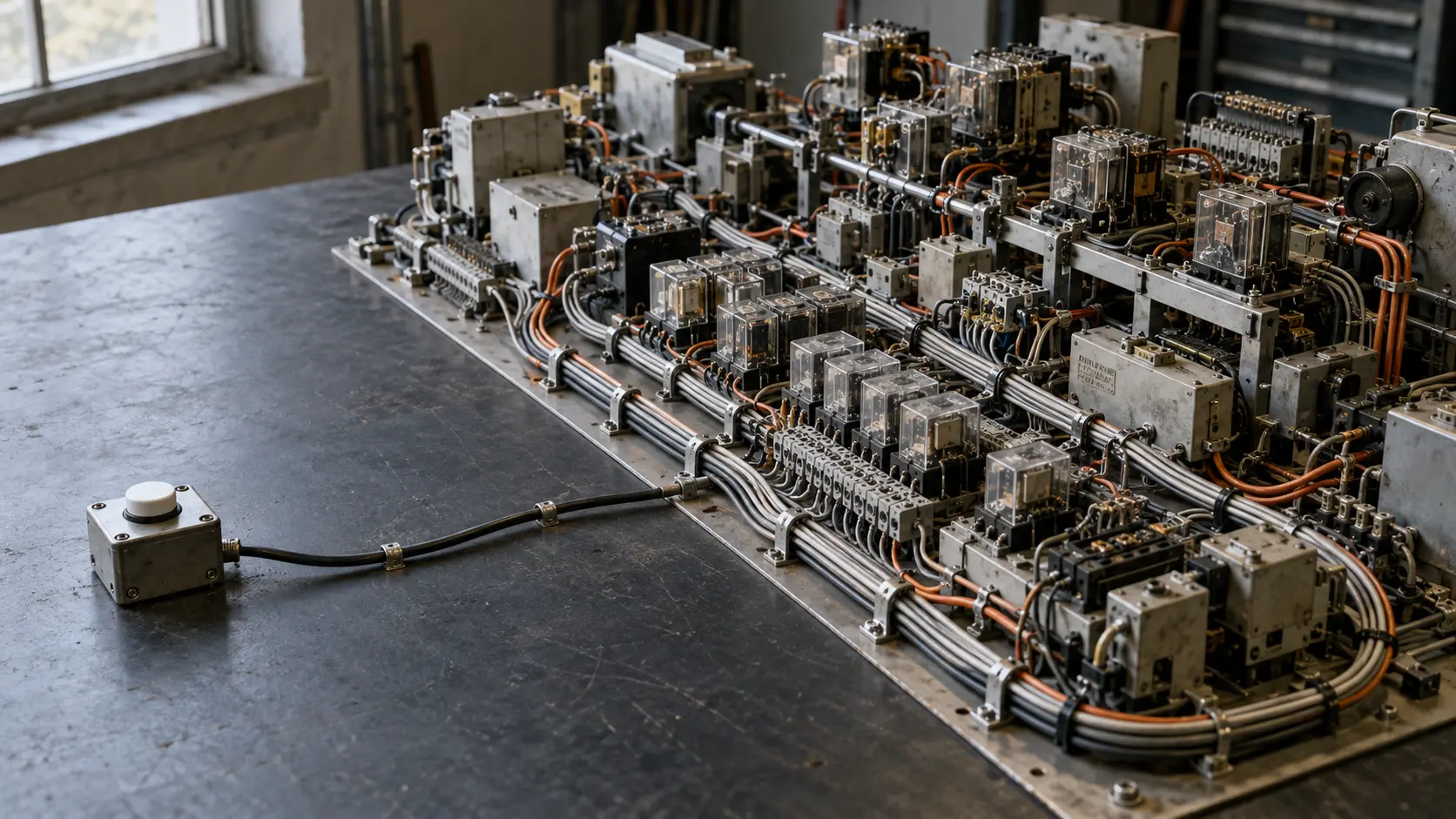
Early in my software career, I believed that building a professional system meant using the best architectural patterns and preparing the project for every requirement that might appear in the future.
I would sometimes spend a long time designing flexible, highly scalable solutions even when the project was only an MVP intended to test a simple idea.
I kept asking myself: What if we need this feature later? What if the number of users grows? What if the requirements change? Over time, I realized that I was sometimes trying to solve problems that did not exist yet.
What did I learn?
Overengineering does not necessarily make a project more professional. It can increase complexity and delay delivery without creating real value.
This is especially true for MVPs, where the main goal is to release something useful, validate the idea, and improve it based on real needs.
That does not mean abandoning clean code or sound architectural principles. It means applying them when the problem genuinely calls for them.
Before making a technical decision, I now ask myself:
- Does the project need this complexity now?
- Am I solving a real problem, or anticipating a hypothetical one?
- Is there a simpler solution that achieves the same result?
Conclusion
One of the most important lessons I learned is that good software engineering is not about building the most complex system. It is about choosing the right solution for the problem in front of you.
We do not have to build everything on day one. Some decisions are better made when the need becomes clear.
Sometimes, knowing what not to build is just as important as knowing how to build it.